
Every Sunday school during the academic year, Mark said as little as possible and bounced around impatiently during lessons. Meanwhile, Layla was very careful to give the “right” answer to every question, but it was hard to know what she actually felt or thought.
Then summer started.
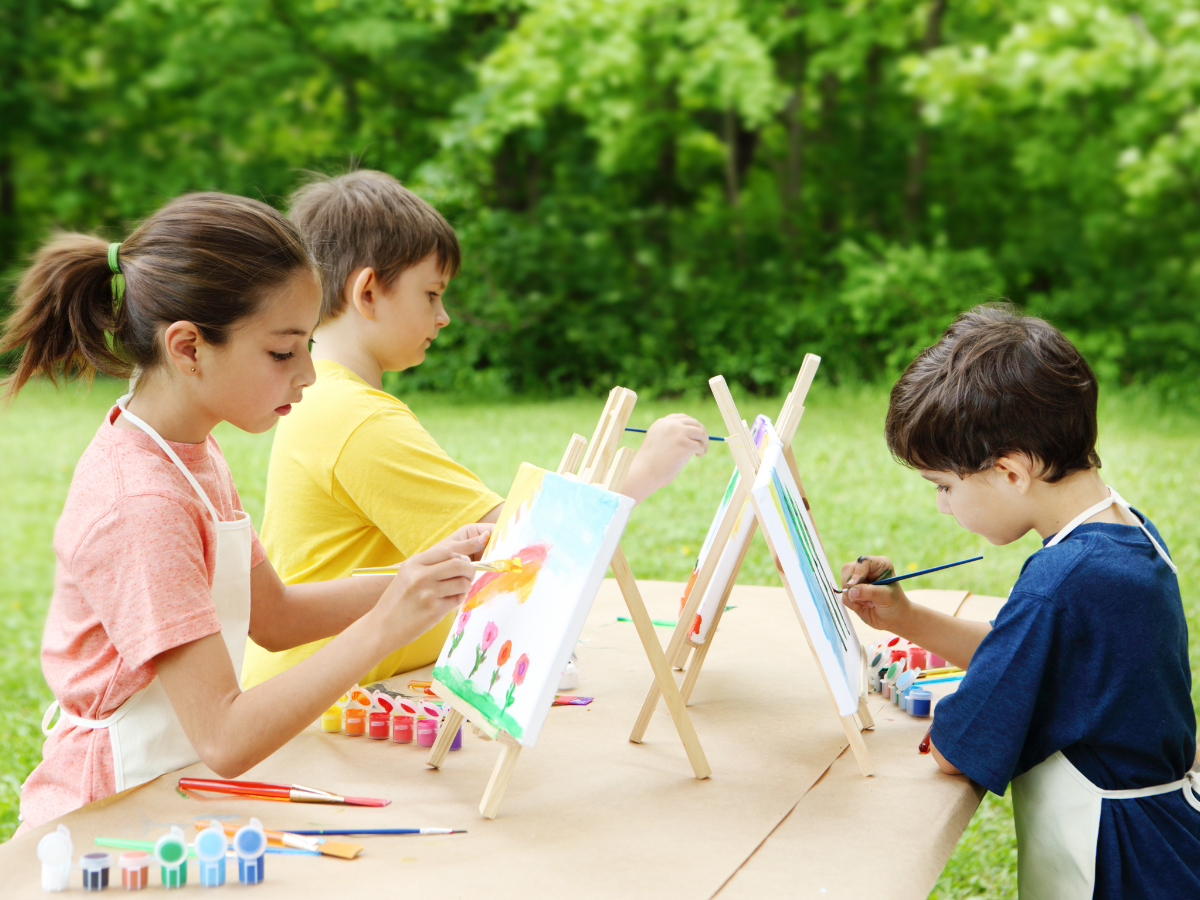
Fewer volunteers and inconsistent student attendance meant that instead of the usual routine, we had activity tables set up for Sunday school. Children meandered to what interested them. There was a short lesson, but otherwise we were all side-by-side, hanging out.
I stood at the table of Legos I’d been assigned to host, trying to construct the tallest tower I could. Mark joined me, and I learned a lot about him, his family, and the concerns he had about a sick grandparent. Layla came by, and as she asked me to pick out all the blue bricks for her, we moved from talking about the best way to construct a tower to something that puzzled her about the lesson.
It struck me that sometimes the opportunities we need for deeper conversations in children’s and youth ministry are found through the informality and openness that come with side-by-side activities.
What Side-By-Side Activities Free Up
Side-by-side activities relieve the pressure students might feel in formal ministry environments. Teenagers who feel like they need to “perform,” especially by giving the right answers, find the freedom to explore what they actually think and feel instead. They might even feel freed to ask more questions.
Meanwhile, kids who have a hard time paying attention or aren’t comfortable in more structured, academic settings are able to engage in something fun and physical that lets them exert more energy. The stakes feel lower so they can laugh and converse with you more and worry about if they’re “missing the mark” or “being judged” less.
Having Fun Together is Not a Waste
For volunteers, the shift from a structured agenda to “free style” during summer ministry can seem aimless. Some might feel like they’re just babysitting. But having fun with the kids and teenagers in our ministries is not a waste.
Here’s what you’re building during side-by-side activities:
- Authentic connection – students are engaging with you as a whole person, not just hearing from you as a leader.
- Trust – they will recognize you as someone who is “for them” when you’re on their side during something like a water balloon fight.
- Knowledge base – you’ll hear more about them—activities they enjoy, their family, favorite destinations, favorite foods, etc.—when you’re just hanging out. You’ll know how to love them better because of it.
- Familiarity – it’s easier for them to ask questions and share their hearts when they know you, including your competitive, creative, and silly sides.
Serving side-by-side with youth and children over the summer, even if you’re just stringing beads together, hiking the woods, or tossing a ball, establishes the foundation you’ll build on when more structured ministry resumes in the fall. Be intentional—but have fun!
Moving from Light-Hearted to Soul-Deep in Conversation
If “all” you accomplish during side-by-side activities is building a relational foundation, that’s amazing. God will use that to grow your love for those you serve, and to prepare their hearts for deeper connection and learning more about him.
Think of the side-by-side time Jesus spent with His disciples. It was after helping Simon Peter catch a load of fish that Jesus introduced the idea of fishing for people (Luke 5:1-11). He taught Martha to prioritize what is best and everlasting—being with him—while she argued with her sister about preparing a meal for their guests (Luke 10:38-42).
Don’t be surprised at how open kids are to talking about soul-stuff after a game of tag or while you eat ice cream sandwiches. Feeling freed up from pressure and closer to you after you’ve worked at some fun goal or simply enjoyed unstructured time together, they might let you in on what they’re wondering or worrying about inside.
You can help them open up and go deeper by:
- Asking questions – was something in a Bible lesson surprising? Ask them what they thought about it. Did they mention they’re going to the beach? Ask them if they’ve been before, how they feel about getting thrashed by waves, who is going with them, etc.
- Sharing what something made you think of – did stargazing at camp make you think of what it must be like in heaven? Tell them so, then ask what they think. Are you nervous about bears on an upcoming hike? Tell them about your nervousness and how God helps you when you feel that way.
- Giving them options – ask “this or that” questions while you assemble the craft, then ask why they chose what they did. Invite them to make suggestions about the free-time activities, and pay attention to what interests them so you’ll know better how to engage.
- Focus on common goals – start by talking about what you’re aiming for – the highest tower, the most points in a summer tournament – but then ask if they have other goals for their summer, for things they want to learn, for ways they want to grow, for purpose in their lives.
Jesus recognized the way activities can feed deeper conversations, too. These types of conversations gain ground toward sharing the gospel as you get to know students’ hearts better—and as they get to know your heart for them and for Jesus more.
Enter the chaos and camaraderie of summer kids and youth ministry with anticipation and prayer. Jesus served powerfully side-by-side, next to a lake, over meals, and in casual conversation, too!
Looking for help planning for ministry this summer? Check out our Resources for Summer Youth Ministry Planning page!